
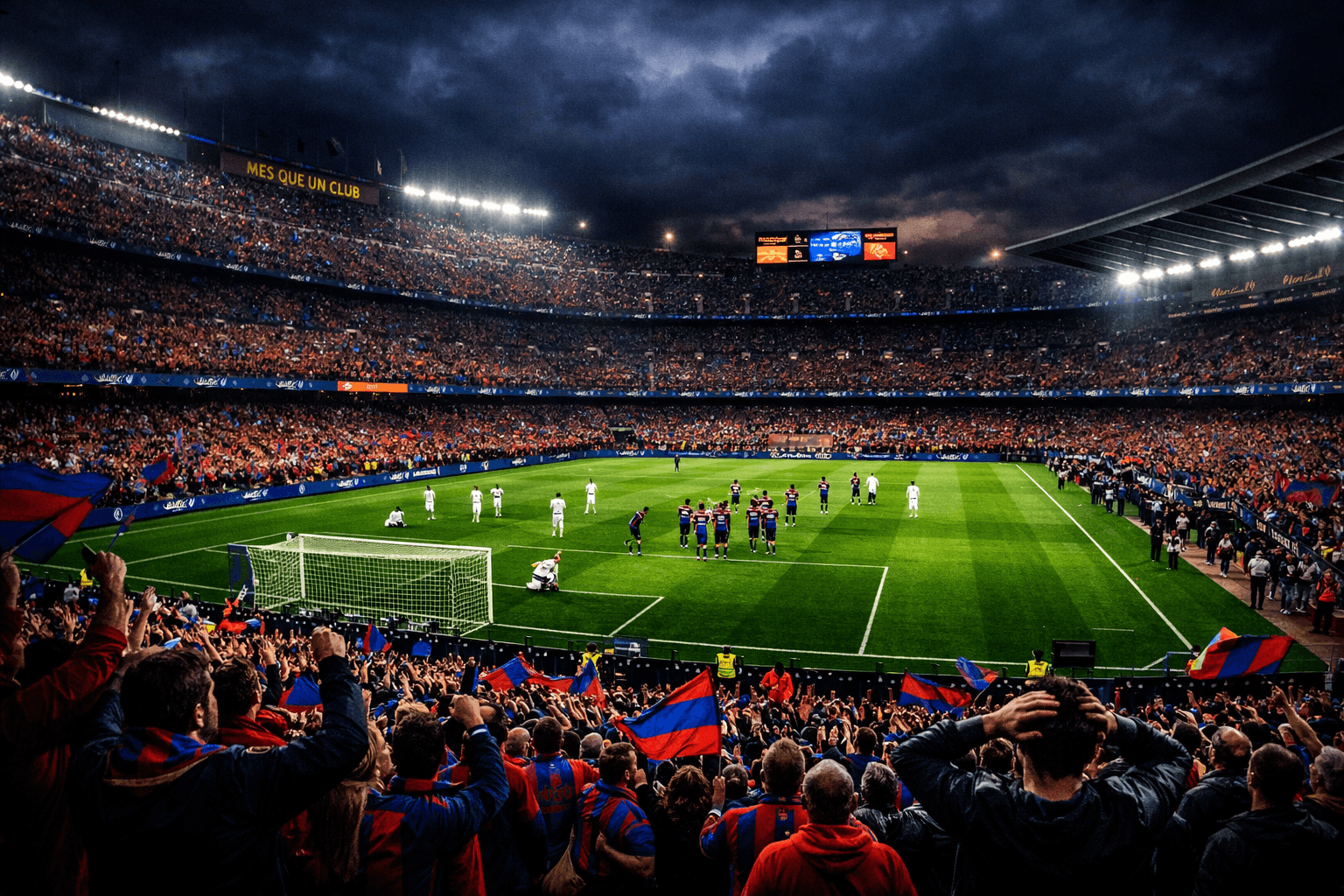
Introduction to the Thrashing at Camp Nou
The highly anticipated second leg of the Champions League tie between Barcelona and Newcastle United at the Camp Nou ended in a thrilling 7-2 victory for the home side, securing their progression to the next round in style. This match was a testament to Barcelona's resurgence under their new manager, who has been implementing a high-intensity pressing game coupled with a possession-based approach. The match saw a plethora of tactical nuances, individual brilliance, and a stark contrast in team performances, making for a compelling analysis.
First Half Tactical Breakdown
The first half began with both teams lining up in their preferred formations, Barcelona in a 4-3-3 and Newcastle United in a 4-2-3-1. However, it was Barcelona's ability to overload the midfield and switch the point of attack that caused Newcastle the most problems. Their left winger, in particular, was instrumental in pinning back Newcastle's right-back, preventing him from supporting the midfield and limiting Newcastle's ability to transition quickly into counter-attacks. Barcelona's regista, playing at the base of the midfield, controlled the tempo of the game, distributing passes that constantly found space behind Newcastle's midfield line, leading to several scoring opportunities.
Sponsored
DAZN – Watch Every Match
Stream live football on any device
Newcastle, on the other hand, struggled to impose their low-block defensive strategy, often finding themselves exposed to Barcelona's interchanging midfielders and runs behind the defense. Their target man up front was isolated for much of the half, with limited service from the midfield, making it difficult for Newcastle to retain possession or create meaningful attacks. By the end of the first half, Barcelona had already taken a 3-0 lead, with their goals showcasing their variety in attack, from set pieces to well-worked combinations in open play.
Second Half Adjustments and Newcastle's Brief Resurgence
The second half saw Newcastle make a couple of tactical adjustments, including the introduction of a more advanced midfielder to try and win the ball higher up the pitch and reduce Barcelona's dominance in midfield. Initially, these changes seemed to pay off, as Newcastle managed to pull a goal back and enjoy a brief period of possession superiority. However, Barcelona's flexibility and adaptability allowed them to adjust their shape and neutralize Newcastle's newfound threat. By shifting to a 4-2-3-1 of their own and introducing a more direct winger, Barcelona was able to stretch Newcastle's defense and exploit the spaces left by their opponents' more adventurous approach.
This period of the game was marked by a series of transitions, with both teams committing numbers forward and leaving themselves vulnerable on the counter. It was Barcelona, however, that capitalized more effectively on these transitions, scoring four more goals in the second half, including a couple of well-executed counter-attacks that highlighted their speed and precision on the break. Newcastle, despite scoring another goal, couldn't keep up with Barcelona's intensity and creativity, ultimately succumbing to a 7-2 defeat.
Sponsored
Opta Stats Pro
Advanced football stats and data
Conclusion and Key Takeaways
The 7-2 victory for Barcelona over Newcastle United was a testament to the home side's tactical superiority and individual brilliance. The match highlighted the importance of midfield control, flexibility in formation, and the ability to adapt to the opponent's strategy in modern football. Barcelona's performance also underscored the value of pressing high up the pitch and quick transitions in catching opponents off guard and creating scoring opportunities.
For Newcastle, the defeat serves as a learning experience, particularly in terms of defensive solidity and the need for a more cohesive team strategy when facing top-tier opposition. The gulf in class between the two teams was evident, but Newcastle's brief periods of resurgence in the second half showed that, with the right approach, they can compete against stronger teams for periods of the game.
In conclusion, the match at Camp Nou was a demonstration of football at its highest level, with tactical nuances, exciting gameplay, and a clear winner. As the Champions League progresses, matches like these will be pivotal in shaping the tournament's outcome and providing insights into the strategies and strengths of the top European clubs.
Discussion 0 comments
Thoughts on this piece? Comments appear right away — keep it respectful; we remove spam or abuse from the admin panel.
Leave a comment